
How Does Climate in Oxford, NY Affect Roof Choice?
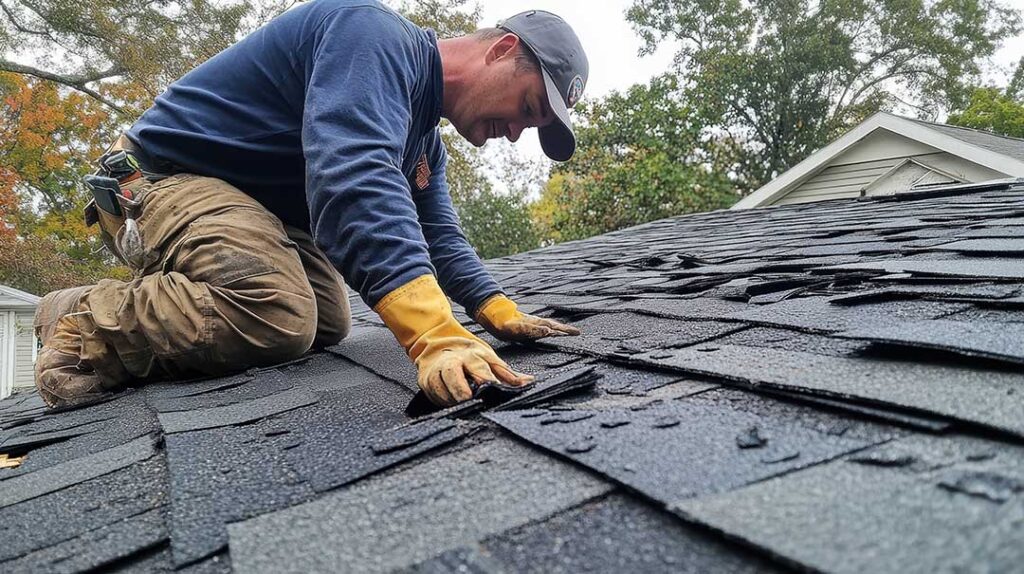
Flat and sloped roofs respond differently to local weather, and climate is often the single most decisive factor for residents. In Oxford, NY, the region’s cold winters, frequent snowfall, and regular rain throughout the year influence which roof style performs best.
Snow and rain shed much more easily from sloped roofs, reducing the risk of water pooling and ice dam formation. Flat roofs, while popular in many modern and commercial designs, require special attention to drainage and waterproofing. Colder climates like Oxford’s increase the likelihood of problems on flat roofs unless they are built with adequate slopes and drainage features, such as internal drains or tapered insulation.
Are Maintenance Needs Greater for Flat or Sloped Roofs?
In general, flat roofs require more frequent inspection and proactive maintenance—especially in areas with snow and ice. Because water lingers longer on flat surfaces, even a small drainage issue or puncture can turn into a leak. Homeowners might need to clear snow after major storms and watch for ponding water, particularly at the transition between winter and spring.
Sloped roofs shed precipitation more easily, which usually means fewer maintenance headaches. However, they are not entirely hands-off—missing or damaged shingles, flashing, or gutters can still cause leaks, and snow can build up in valleys or around chimneys. With either style, area homeowners should carefully consider accessibility and their willingness to perform, or pay for, regular roof checks.
How Do Lifespan and Durability Compare?
Sloped roofs in Oxford often use asphalt shingles, metal, or occasionally slate. These materials can last 20-50 years when installed correctly. The slope itself helps extend the life of the roof by preventing moisture buildup.
Flat roofs use different materials, such as modified bitumen, EPDM rubber, or built-up roofing (BUR). With proper installation and maintenance, these systems typically last between 15 and 30 years—sometimes longer with meticulous care, but their flatness makes them more vulnerable to standing water, freeze-thaw cycles, and surface damage.
Does the Architecture of Your Home Matter?
Older and historic homes in the community almost always feature sloped roofs that complement traditional architectural styles and are designed for snowy winters. Most new single-family houses in the city and surrounding area also opt for sloped roofs, both for appearance and practicality. Flat roofs are more common in commercial buildings, multifamily structures, and some contemporary homes.
It’s possible to retrofit certain older buildings with a flat roof, but this often requires major structural modifications. For most traditional homes in Oxford, updating or replacing a sloped roof maintains both visual harmony and functional reliability.
What About Usable Space and Design Preferences?
One advantage of flat roofs is the potential for usable outdoor space—think rooftop decks, gardens, or even solar panel installations without complicated mounts. This can be especially appealing for compact urban lots or homes with limited backyard space. However, additional weight must be factored into the structural design from the start.
Sloped roofs generally don’t offer walkable surfaces, but they create attic or vaulted ceiling space inside and a visually prominent exterior look many homeowners prefer.
Are Energy Efficiency and Insulation Needs Different?
Flat and sloped roofs each present unique challenges for insulation and temperature control. Flat roofs demand high-performance insulation and careful sealing to prevent heat loss—especially as snow sits directly on top for long stretches during winter. Poorly insulated flat roofs can lead to cold interiors and higher heating costs.
Sloped roofs typically allow for more insulation between rafters, and their construction promotes airflow underneath, which helps manage ice dams and attic moisture. However, insulation and ventilation must be balanced; too little ventilation can cause roof deck damage, while excessive heat loss increases energy bills.
How Does Cost Compare for Flat and Sloped Roofs?
Flat roof construction, material, and ongoing maintenance costs can sometimes be lower for basic installations—especially for smaller surfaces. However, the costs of flat roof repair can climb if water damage occurs, or if customized features like roof decks or green roofs are added.
Sloped roofs tend to have higher upfront installation costs due to roofing materials, framing, and labor. But locally, the longer lifespan and lower maintenance of a well-built sloped roof may offset the initial investment, especially over multiple decades. For those planning to stay in their home long-term, the total cost of ownership is often comparable or even lower with a sloped roof.
What Are Some Common Misconceptions About Flat and Sloped Roofs?
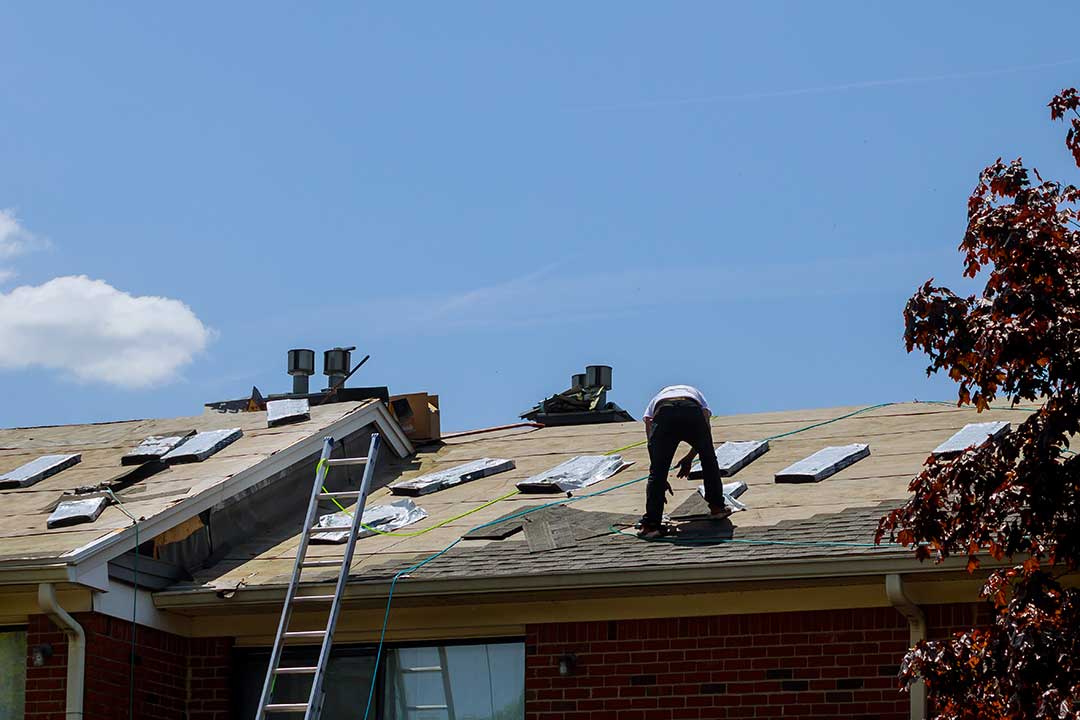
- Flat roofs are never suitable for snowy areas: While they require careful design and regular maintenance, modern flat roofs can perform reliably even in snowy environments like Oxford if built to local codes.
- Sloped roofs are maintenance-free: No roof is totally without maintenance needs—sloped roofs just concentrate problems into specific areas, like valleys, flashing joints, or around vent pipes.
- Flat roofs always leak: Advances in waterproofing and synthetic membranes have greatly improved flat roof performance when installed correctly.
- Any house can switch roof types easily: Retrofitting a different kind of roof is usually complex and may not be structurally or historically appropriate for all homes.
What Should Residents Consider Before Choosing?
- Snow load and drainage: Consider how much snow your roof should safely support and how water will be directed away from the structure.
- Aesthetics and neighborhood character: Think about how different roof types fit with your home’s style and the overall look of the area.
- Long-term plans: If you plan to add features like solar panels, a flat roof may provide more flexibility; for attic space or classic looks, stick with a sloped design.
- Willingness and ability to maintain: Both roof types need upkeep, but the type and frequency of maintenance may suit different preferences or abilities.
Area homeowners benefit from weighing these practical and climate-related differences before deciding between a flat and a sloped roof. Each option can work well with careful planning and understanding of local needs.
