
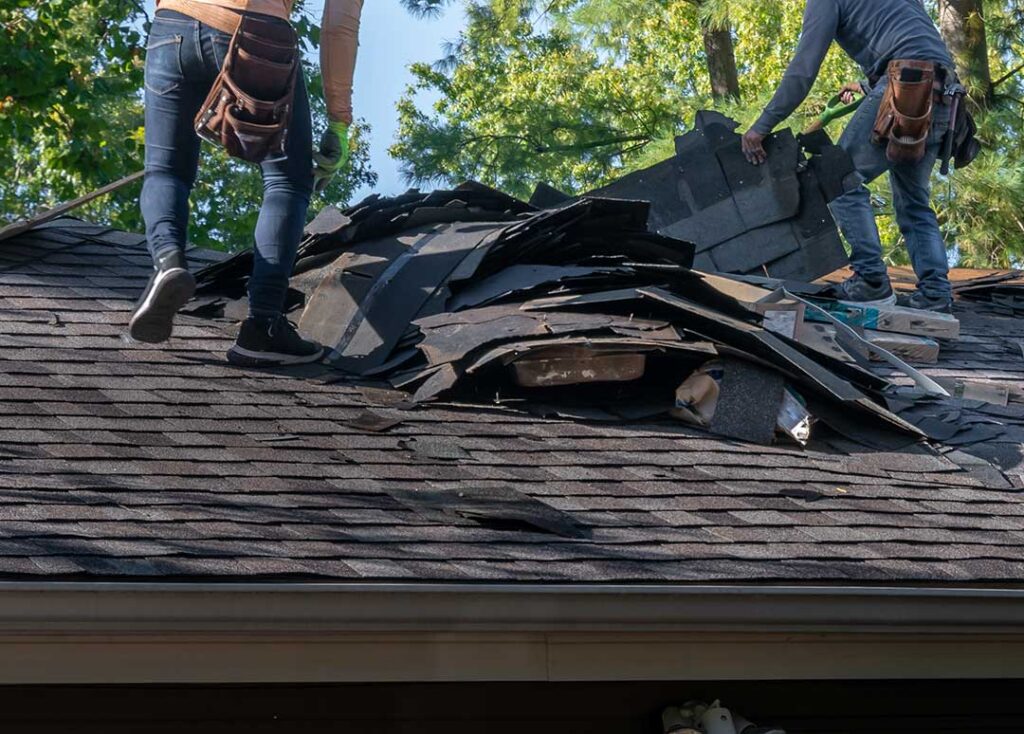
How Does Sun Exposure Change Your Roof Over Time?
Direct sunlight is one of the main environmental factors that slowly alters roofing materials. Even though a typical roof in Oxford, NY is built to withstand years of weather, repeated sun exposure changes its performance, appearance, and maintenance needs in ways many residents don’t expect.
Over time, ultraviolet (UV) rays from sunlight break down the surface layers of most roofing materials—shingles, tiles, metal, or membrane roofs. The specific reactions depend on what your roof is made of, how it was installed, and what kind of maintenance it receives. Seasonal changes, especially with Oxford’s freeze-thaw cycles, can speed up or slow down these effects.
Why Do Roof Shingles Fade and Crack in the Sun?
Shingle roofs, common in many Oxford homes, often lose color or develop cracks after years of sun exposure. The main reason is UV radiation, which excites and weakens the chemical bonds in asphalt, fiberglass, or organic materials found in most shingles.
In detail:
- UV rays cause asphalt shingles to dry out and become more brittle, especially in older roofs that have lost their protective granules.
- Colored granules on the surface, which help shield against sunlight, wear away under constant exposure, leading to more rapid deterioration.
- As shingles dry and crack, they lose flexibility, making them more likely to curl or split during high winds or sudden temperature changes.
Aging from sunlight may occur faster on south-facing roof slopes, since those get the most hours of direct sun in local conditions. Residents sometimes notice uneven fading, where parts of the roof look much older than others, based on orientation and any tree cover.
How Does Sunlight Affect Metal, Tile, and Other Roofing Materials?
Non-asphalt roofs respond differently to the sun, though all can be affected over years.
- Metal roofs: While highly reflective, metal surfaces heat up under intense sun. Expansion and contraction cycles, especially with Oxford’s daytime highs and cool nights, can loosen fasteners and seams. Sun-driven thermal aging may also fade colored coatings, leading to a chalky appearance.
- Clay or concrete tiles: These resist UV damage well, but sunlight can still degrade surface glazes or finishes. Over decades, porous spots may form where sun and rain hit repeatedly, allowing for water absorption and freeze-thaw cracking.
- Synthetic and membrane roofs: Flexible materials may become less pliant after years of sun, increasing the risk of splits or leaks—especially around rooftop equipment or seams.
Can Sun Exposure Increase the Temperature Inside My Home?
Yes, prolonged sunlight on a roof raises attic and upper floor temperatures, sometimes noticeably. This effect is strongest in the early summer months when local days are long and cloud cover is low.
Key factors include:
- Color: Darker roofs absorb more heat than lighter shades, quickly warming attic spaces.
- Roof ventilation: Poor ventilation makes heat build-up worse, potentially stressing insulation and HVAC systems.
- Insulation: Insufficient attic insulation lets heat transfer into living areas below.
- Shade: Large trees or neighboring structures can naturally reduce sun exposure for some homes.
Residents often overlook how attic temperatures, driven by sun exposure, can affect cooling bills or cause ice dams in winter as snow melts and refreezes at roof edges.
Does Orientation or Local Climate Change the Impact of Sunlight?
In a place like Oxford, roof exposure isn’t just about sunlight—it’s also about variation. Winter snow, spring freeze-thaw cycles, and frequent rainfall mean roofs have to cope with constant change.
- South- and west-facing roof slopes get the most direct sun, so these areas often show faster aging.
- Local humidity and summer storms can compound UV effects, with rain finishing the wear-and-tear caused by sunlight.
- Tree cover matters: Homes with taller, older trees may see less sun damage but could have other issues, like moss growth in shaded, damp spots.
This means two houses across the street from each other—one under leafy cover, one with open sky—can age at very different rates, even with the same roofing materials.
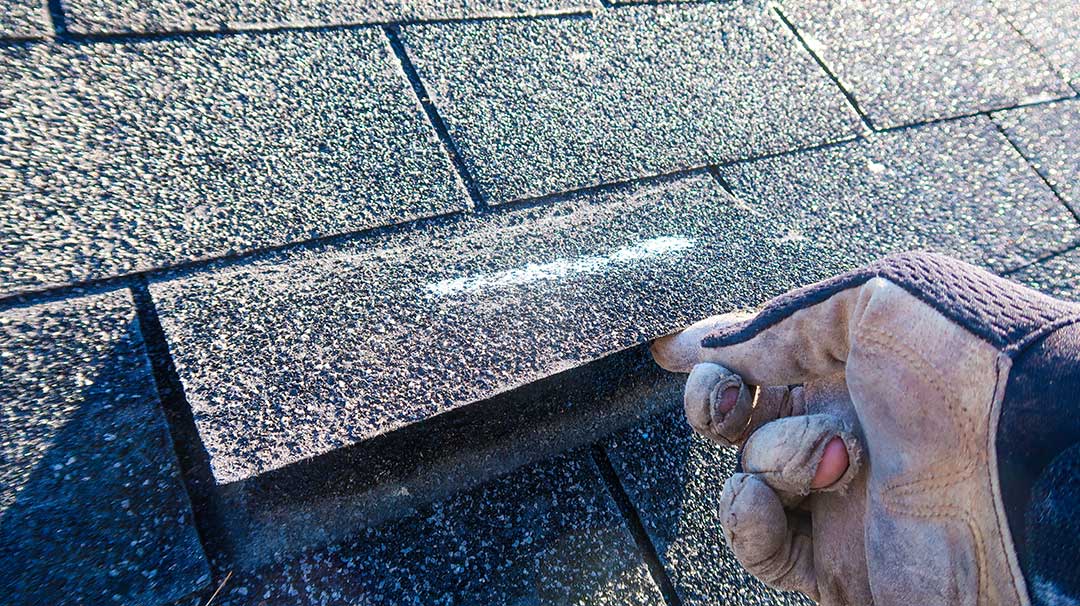
What Maintenance Should Residents Consider for Sun-Aged Roofs?
Regular visual checks—especially after sunny, hot spells—help spot early signs of sun-related damage:
- Look for faded, blistered, or curling shingles.
- Check for loose, missing granules in gutter downspouts.
- Inspect attic spaces for heat and signs of increased dust from deteriorating shingles.
- Examine metal and tile roofs for new chalkiness, exposed seams, or weathered surface finishes.
Promptly fixing small issues from sun exposure, such as reattaching loose shingles or resealing exposed fasteners, prevents more costly repairs down the road.
Are Any Roofing Materials More Resistant to Sun Exposure?
Some newer roofing products are designed for better sun resistance, though no roof is completely immune to aging from UV light over many years.
- Light-colored shingles or reflective coatings can help reduce surface temperature and slow fading.
- Metal roofing with quality factory coatings holds color longer but may still need attention at seams and transitions.
- Tile and slate woods naturally resist sun with minimal surface change, though other weathering factors come into play.
In areas with strong seasons and intense sun, such as Oxford, balancing sun resistance with other local requirements—like storm resilience or snow load—makes all the difference.
What Do Residents Often Overlook About Sun Damage to Roofs?
Some misconceptions are persistent:
- Roof color only matters for summer heat—not true, since darker roofs also degrade faster from sunlight and can speed ice dam formation in winter.
- Shade always protects your roof—while true for UV aging, shaded roofs may invite moss or algae, leading to their own set of issues.
- New roofs are sun-proof—modern materials last longer, but all roofs require occasional survey and care to perform as intended.
Direct sunlight shapes how area roofs wear down, both visibly and beneath the surface, underscoring the value of mindful observation and seasonal upkeep for every local household.
