
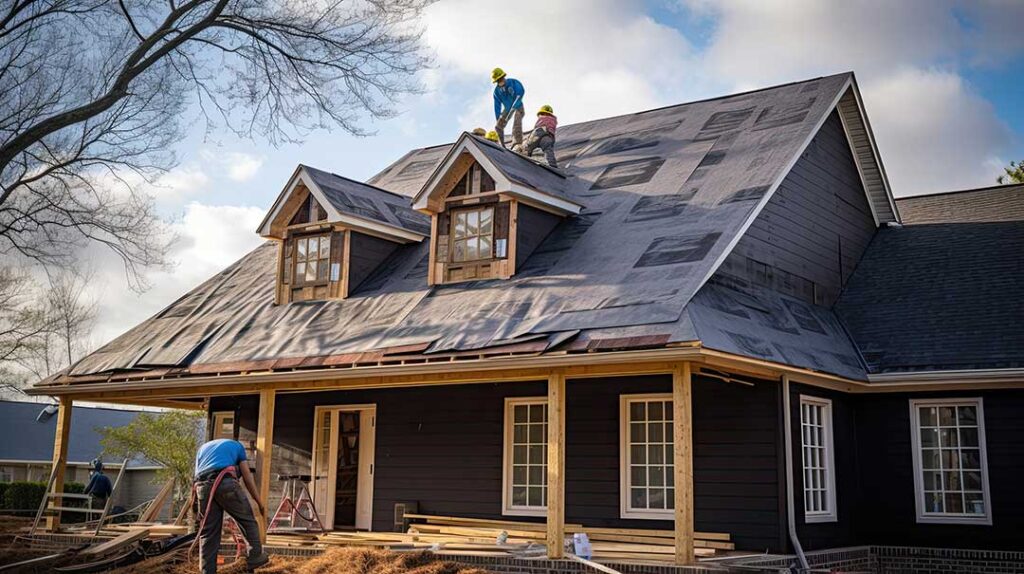
Are Roofs in Oxford, NY Only a Concern When They Leak?
A roof's function is much broader than just keeping water out. While leaks are the most noticeable sign of a problem, waiting until water is dripping onto a ceiling often means hidden structural or insulation issues have progressed. In Oxford's climate—where ice, snow, and heavy rains are all seasonal realities—even minor damage can worsen quietly over months. Homeowners sometimes overlook early signs like missing shingles, subtle discoloration, or minor sagging. Addressing small problems quickly helps prevent expensive repairs later and extends the lifespan of the roof in the community's typical weather conditions.
Does Every Roof Need Replacing After 20 Years?
The idea that all roofs must be replaced at the 20-year mark is a misconception. The actual lifespan depends on several factors:
- Material: Asphalt shingles in Oxford might last 15-30 years; metal and slate can last much longer.
- Ventilation and Insulation: Proper airflow in attics limits ice dams and moisture buildup, reducing premature wear.
- Installation Quality: Roofs installed carefully in line with local building standards often outlast those pieced together in haste.
- Weather Exposure: Areas with more shade and less direct sun may see roofs age differently than those in open, south-facing spots in the city.
Routine inspection is a better guide than a strict age deadline; some roofs can safely remain in place well beyond popular expectations.
Does a New Roof Guarantee No More Ice Dams in Oxford?
Unfortunately, installing a new roof doesn't guarantee an end to ice dams. Ice damming results less from roof age or shingle type and more from insulation and ventilation issues inside the home. Warm indoor air leaking into attics melts snow unevenly, which then refreezes near cold eaves. While new materials may help, solutions more often include adding insulation, sealing attic gaps, and improving airflow—especially relevant for homes in Oxford, where freeze-thaw cycles are common each winter.
Is Roof Maintenance Necessary on Newer Homes?
Many residents believe that newly constructed or recently roofed homes can be ignored for years. This can lead to surprises. Shingles, vent pipes, flashing, and sealants can all develop unexpected problems due to:
- Storms or extreme temperature swings, which are common locally
- Wildlife such as birds, raccoons, or squirrels damaging vent openings
- Installation oversights that only become apparent after several seasons
A simple check in spring and fall helps catch small concerns early—a valuable habit regardless of the roof's age.
Can You Spot All Roof Problems from the Ground?
It’s easy to assume that a walk around the yard tells the whole story. While missing shingles, moss growth, or fallen branches are visible from the street, many trouble spots hide from view:
- Cracked or missing flashing around chimneys and skylights—often a leak source
- Shingle granule loss, which may only be obvious in gutters or on the roof surface itself
- Soft spots in decking, sometimes revealed only by walking (carefully) or from the attic side
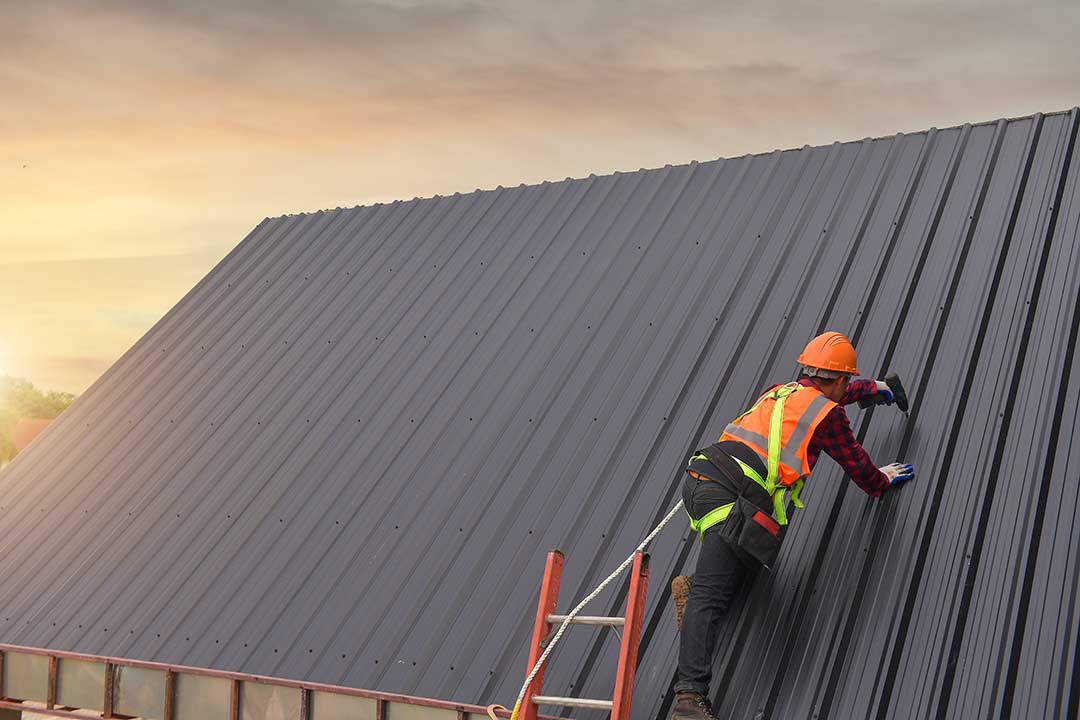
Some issues, especially those related to insulation or internal leaks, will never appear in a simple visual survey from below. That’s why roof checks sometimes require a closer or even interior look, always taking care to do so safely.
Does Cleaning Moss and Algae Damage Asphalt Shingles?
Moss and algae are common on shaded or north-facing roofs, especially in Oxford. The misconception that aggressive cleaning—such as power washing—is the best fix can end up shortening roof life. High-pressure washing and harsh chemicals strip away protective granules and can cause premature shingle failure. Safer approaches include gentle scrubbing with a soft brush and a low-concentration cleaning solution, or letting approved moss treatments do their work over time.
Will a New Roof Lower Energy Bills Dramatically?
A new roof may contribute somewhat to heating and cooling efficiency, especially if paired with upgraded insulation or ventilation. However, replacing shingles alone makes only a modest difference in most Oxford homes. Air leaks, poorly sealed attic hatches, drafty windows, and thin insulation all play a larger role in household energy usage. Homeowners sometimes overestimate the direct impact a new roof will have on monthly bills.
Are All Roofing Materials Suitable for Homes in Oxford, NY?
Not every material performs equally well in central New York’s mix of heavy snows, chilly springs, and humid summers. Some misconceptions arise when materials used successfully elsewhere are assumed to be a good fit locally. For instance:
- Flat roofing materials are not usually ideal for pitched residential roofs due to snow buildup.
- Lighter-weight or imported shingles may not carry appropriate certifications for wind or freeze resistance needed in the area.
Evaluating roofing types for local climate, snow load, and code requirements results in a longer-lasting and more effective roof for area households.
Do Homeowners Insurance Policies Always Cover Roof Repairs?
Many assume that insurance automatically covers all roofing repair or replacement needs. In reality, policies often exclude wear-and-tear, neglect, or problems resulting from lack of maintenance. Insurance may cover sudden damage from storms, but not issues like slow leaks, moss buildup, or poorly maintained flashing. It's wise for local residents to review their policy specifics, keeping records and photographs of roof care, since documentation can be important in case of future weather events or accidents.
