
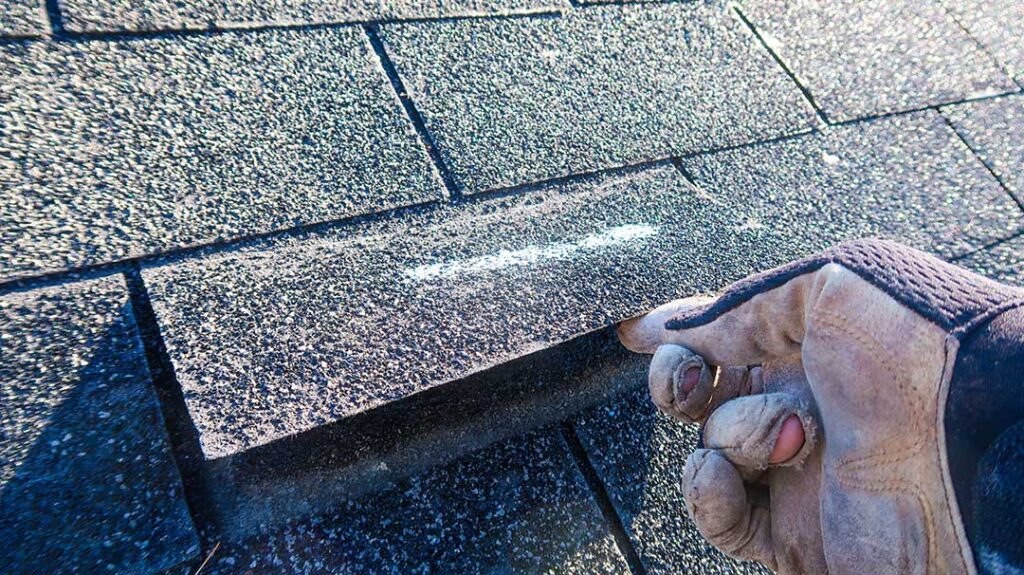
Shingles that curl, crack, or split are more than a cosmetic concern. These changes can allow water to reach the underlayment, roof decking, insulation, and interior finishes. In Oxford, NY, repeated cycles of snow, rain, freezing temperatures, wind, and summer sun can make damaged shingles worsen faster than expected.
What do curled and cracked shingles mean?
Curled shingles have edges or corners that lift away from the roof surface. Cracked shingles have visible splits, breaks, or fractures through the asphalt coating or fiberglass mat. Both conditions reduce the roof’s ability to shed water.
A few isolated damaged shingles may be repairable, but widespread curling or cracking can indicate that the roofing system is aging or has been exposed to conditions that shortened its service life. Damage is more concerning when it appears on several roof slopes or in areas that receive strong afternoon sun and prevailing wind.
Look for:
- Corners that turn upward
- Edges that no longer lie flat
- Long cracks running through the shingle
- Small splits around nail areas
- Missing surface granules
- Dark patches where the shingle has worn through
- Loose or lifted shingles after windy weather
- Exposed underlayment or roof decking
Why do asphalt shingles curl?
Curling usually develops because the shingle has lost flexibility, was installed improperly, or has experienced repeated moisture and temperature changes.
Common causes include:
Age-related drying
Asphalt shingles gradually lose oils and flexibility as they age. Once the material becomes brittle, the edges can contract and lift. Curling caused by general aging often appears across large portions of the roof rather than in only one location.
Inadequate attic ventilation
A poorly ventilated attic can trap heat and moisture beneath the roof. Excess heat may accelerate shingle aging, while moisture can contribute to deck movement and condensation. Those changes place additional stress on shingles and their fasteners.
Attic ventilation problems may also be associated with:
- Frost or moisture staining in the attic
- Damp insulation
- Mold-like surface growth
- Rusted nails
- Excessive heat during summer
- Uneven roof temperatures
Improving ventilation is not simply a matter of adding vents. Intake and exhaust openings need to work together, and the roof design must be considered.
Improper installation
Shingles may curl if they were not fastened in the correct location, if too few nails were used, or if nails were driven too high, too low, or at an incorrect angle. A weak bond between overlapping courses can also allow wind to lift the tabs.
Cold-weather installation can sometimes delay the sealing process. Shingles generally rely on sunlight and warmth to create a strong adhesive bond, so newly installed roofing may be more vulnerable to wind until that bond develops.
Wind and mechanical stress
Repeated wind movement can lift shingle edges. Once a tab bends upward, it may not return to its original position. Falling branches, foot traffic, satellite equipment, or maintenance work can also damage the surface.
What causes shingles to crack?
Cracking often results from shrinkage, brittleness, impact, or stress around fasteners.
Some cracks are surface-level and may not immediately allow water through. Others extend through the full shingle and expose the reinforcing mat. A crack that reaches a nail or runs across the shingle’s lower edge deserves closer attention because water can travel beneath the overlapping course.
Typical causes include:
- Long-term exposure to ultraviolet sunlight
- Freeze-thaw movement
- Shrinkage as roofing materials age
- Hail or falling debris
- Foot traffic
- Manufacturing defects
- Poorly placed or overdriven nails
- Movement in the roof deck
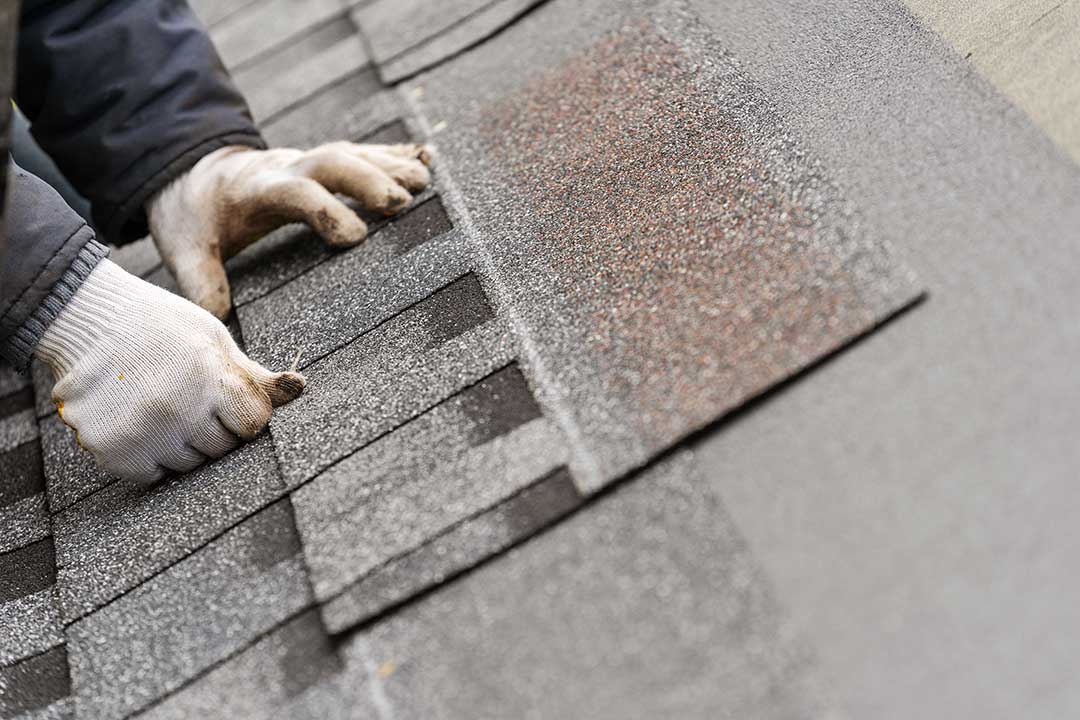
Cracks that appear in a straight line across many shingles may reflect movement in the roof assembly rather than isolated shingle failure. Cracks concentrated around valleys, ridges, or roof penetrations may point to areas that receive more stress or handle greater water flow.
Can one or two damaged shingles be repaired?
Sometimes. A limited number of curled or cracked shingles can often be replaced without disturbing the entire roof. The replacement must match the existing shingle type, thickness, exposure, and installation pattern closely enough to shed water properly.
However, replacing a few shingles may not solve the underlying issue. If the roof has widespread brittleness, poor ventilation, loose decking, or recurring wind damage, isolated repairs may only provide temporary improvement.
A repair is less likely to be sufficient when:
- Damage appears on most roof slopes
- Granules are collecting heavily in gutters
- Shingles break during gentle handling
- The roof is near or beyond its expected service life
- Water stains are visible inside the building
- The underlayment or decking is exposed
- Previous repairs are failing in multiple areas
How can residents inspect the roof safely?
A ground-level inspection is usually the safest first step. Binoculars can help reveal lifted edges, missing tabs, dark patches, and exposed fasteners without requiring anyone to climb onto the roof.
From the attic, look for daylight, damp wood, water staining, compressed insulation, and rusty nails. Keep in mind that a leak may appear several feet away from the actual entry point because water can travel along the underside of the roof deck.
Avoid walking on shingles that are cold, wet, icy, steep, or visibly brittle. Roof surfaces can become slippery during spring thaw, after rain, or when shaded areas remain frozen. A ladder should not be used on unstable ground, near overhead electrical hazards, or during high winds.
Professional assessment is warranted when the roof is steep, damaged by a storm, visibly sagging, or difficult to access safely. Safety takes priority over confirming the condition personally.
Does curling always mean the roof must be replaced?
No. Curling does not automatically require full replacement, but the extent and cause matter. A small number of recently installed shingles may have an installation or bonding problem. Older shingles that curl across multiple sections are more likely to reflect overall material deterioration.
The roof’s condition should be judged as a system. Important factors include the age of the shingles, the condition of flashing, attic ventilation, roof decking, valleys, penetrations, and previous repair history.
Replacing shingles without correcting a ventilation or moisture problem can allow the same damage to return. Likewise, correcting ventilation will not restore shingles that have already become brittle and cracked.
How do Oxford weather conditions affect the problem?
Local roofs must handle a wide range of seasonal stress. Snow and ice can keep surfaces wet for extended periods, while freeze-thaw cycles can open small gaps and move roofing materials. Summer heat and sunlight can dry and harden asphalt shingles. Wind can then lift weakened edges or drive rain beneath loose tabs.
Ice buildup near roof edges may also contribute to water backup when meltwater cannot drain normally. This does not mean every curled shingle is caused by ice, but repeated winter moisture can expose weaknesses in flashing, underlayment, and shingle seals.
Keeping gutters clear, limiting unnecessary roof traffic, and checking the attic for moisture can help reveal developing problems before interior damage appears.
What should be done after finding curling or cracking?
Document the affected areas from the ground and from the attic if it can be done safely. Note whether the damage is isolated or widespread, whether it appeared after a storm, and whether there are interior stains or damp materials.
Temporary coverings may help limit water entry after storm damage, but they should be secured safely and should not involve climbing onto a hazardous roof. Any active leak near electrical fixtures, insulation, or ceiling damage requires prompt attention because water can create both structural and electrical risks.
The key question is not simply how many shingles are damaged. It is whether the damage is isolated, whether the roof is still flexible and watertight, and whether an underlying ventilation, moisture, installation, or structural issue is contributing to the problem.
